
What Is Live Casino? How Live Dealer Games Work

A live casino (or live dealer casino) is a table run by a real human dealer in a studio or venue and streamed to players over live video in real time, as opposed to a software-only auto table where a random number generator resolves every action instantly.
What Does "Live Casino" Actually Mean?
If you have spent any time browsing a real-money gaming app, you have probably noticed two very different kinds of tables sitting side by side. One is a clean, fast, software-only table where every card, spin, or roll resolves the instant you tap a button. The other shows a video window with a real person sitting at a real table, physically shuffling cards or spinning a wheel while you play from your phone. That second format is what the industry calls live casino.
A live casino table is, at its core, a real game happening in a physical studio or venue, run by a real human dealer, and broadcast to players over live video in real time. You are not betting against a random number generator alone — you are watching an actual dealer perform the actions of the game as they happen, and the outcome you see on screen is a direct reflection of that live video feed rather than a purely computer-generated result. This is also referred to as a live dealer casino, and the two terms are used interchangeably across most Indian real-money platforms.
The distinction matters because it changes the entire feel of a session. A software table is built for speed and volume: cards deal instantly, wheels spin and resolve in seconds, and there is no waiting on a human being. A live casino table trades some of that speed for presence — you are watching something actually happen, dealt by someone actually sitting there, rather than trusting a screen to tell you what "happened" behind the scenes.
Live Casino vs Auto Tables: The Core Difference
Most platforms label their fully automated tables as "auto" tables, and it helps to think of live casino as the direct opposite of that format.
Auto tables run entirely on software. A random number generator determines the card order, wheel result, or dice outcome, and the interface animates that result for you. There is no physical dealer, no camera, and no delay beyond basic processing time.
Live casino tables are streamed from an actual location. A human dealer physically handles the cards, chips, or wheel, and that physical action is what produces the result you see.
Neither format is inherently "better" — they simply serve different preferences. Auto tables suit players who want fast, uninterrupted rounds. Live casino tables suit players who want to see the mechanics of the game unfold in front of them rather than take a software result on faith.
How Live Dealer Technology Actually Works
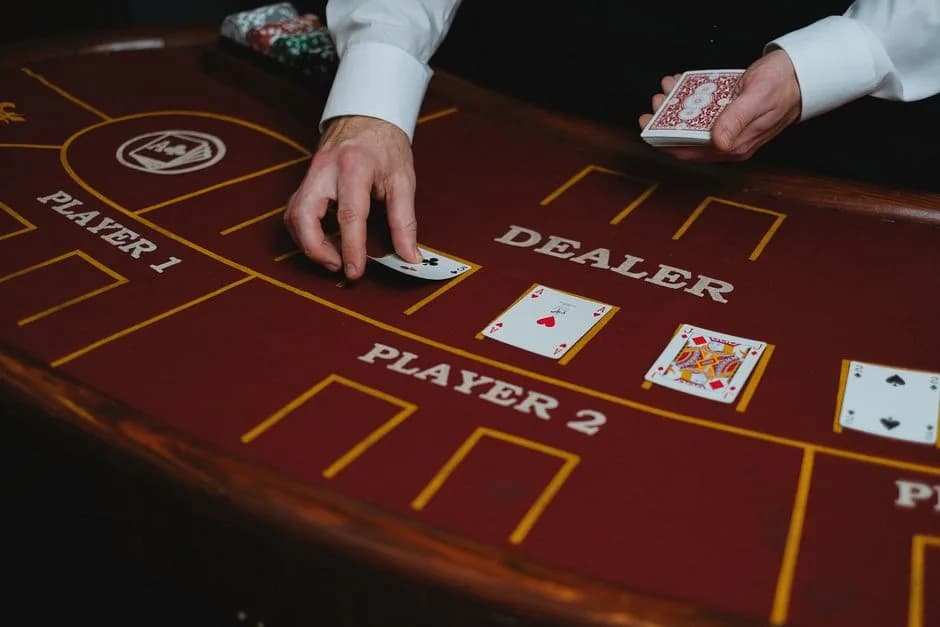
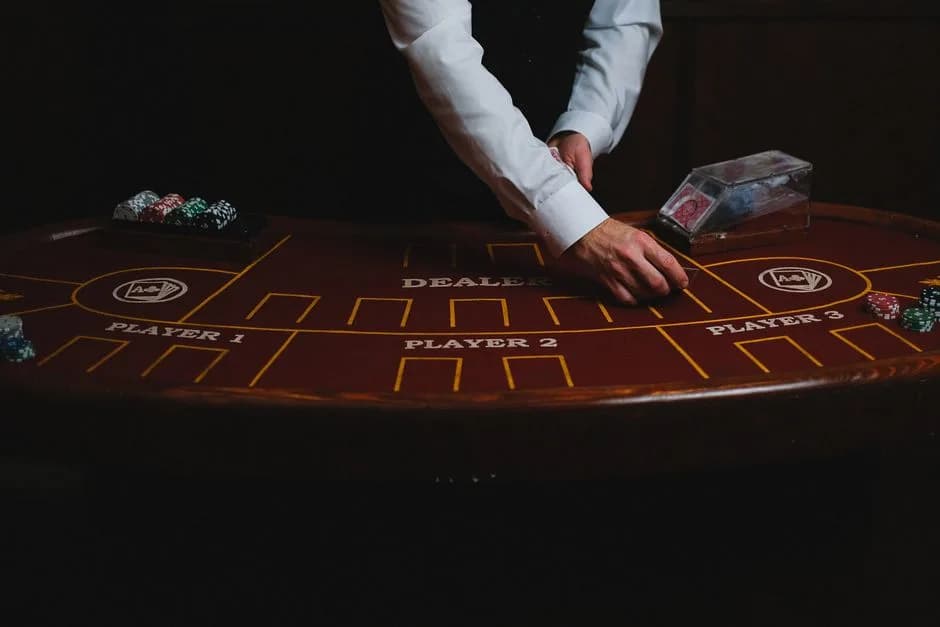
The setup behind a live casino table is more involved than it looks on your screen. A studio or venue houses a real table, professional lighting, and multiple cameras angled to capture the cards, the wheel, or the dealer's hands clearly. The dealer shuffles, deals, or spins exactly as they would at a physical casino, and that footage is streamed to players in real time with only a small delay for video processing.
Behind the scenes, the physical action has to be turned into something the platform's interface can actually use — a card that has been revealed, a number the wheel landed on, a hand that has been resolved. This is done either through computer vision systems that read the table (recognising card values or wheel positions automatically) or through manual input, where the dealer or a support operator confirms the result in a connected system as it happens. Either way, the digital result you see is tied directly to the physical event on camera, not generated independently of it.
On your side, you are watching the live video feed while acting through ordinary on-screen buttons — placing a bet, calling, folding, or standing, depending on the game. Your actions are sent to the table electronically and reflected in how the round plays out, even though the dealer is doing the physical work. In something like live roulette, for example, you place your chips digitally, but the wheel itself is a physical wheel being spun on camera, and the number it lands on is the number that counts.
Why Players Are Drawn to Live Casino Formats
Live casino tables have grown popular on Indian real-money platforms for a few consistent reasons.
Visible trust. Instead of relying purely on trusting an unseen algorithm, you watch the actual card reveal or wheel spin happen on camera. Many players find this reassuring simply because the result is something you saw occur, rather than something a screen told you occurred.
A more authentic atmosphere. A live casino table feels closer to sitting at a physical casino floor than a software table ever can. The pacing, the dealer's presence, and the visual detail of a real table all add to that sense of occasion.
Real-time interaction. Many live casino tables let you interact with the dealer, and sometimes with other players at the same table, through a chat feature. It turns what could be a solitary session into something with a bit more social texture, even when you are playing from home.
This is part of why formats like live blackjack have found a steady following — watching your own hand get dealt and revealed by an actual dealer carries a different weight than watching an animation resolve instantly.
Live Dealer vs Live Multiplayer: Two Different Things
This is a distinction that trips a lot of players up, so it is worth being precise about it.
Live dealer (live casino) means a real human dealer is streamed on video, physically running the game. The other participants may or may not be real people, but the defining feature is the presence of a real dealer on camera.
Live multiplayer means you are playing against real opponents in real time, but there is no streamed human dealer — the "dealing" and resolution of the game are still handled entirely by software, even though the people you are competing against are genuinely other players rather than a computer opponent.
The site's own live teen patti with friends and high-stakes tables guide is a good example of the live-multiplayer format: you are playing against real opponents in real time, which is what makes it "live," but the cards are still dealt and tracked by the platform's software rather than by a filmed dealer. That is a completely different mechanism from a live casino table, even though both use the word "live" and both feel more social than a plain solo auto table.
Some games are only offered in one of these two formats, and some offer both a live-dealer version and a live-multiplayer version side by side. Neither is more "real" than the other in terms of fairness — they are simply different ways of adding a human element to a round, one through a filmed dealer and one through genuine opponents.
Games That Commonly Appear in Live Casino Lobbies
Not every game translates naturally to a live-dealer format. Card-comparing and table games tend to work especially well because a physical dealer can visibly shuffle a deck, deal it out, and reveal cards or spin a wheel in a way that is easy to watch and easy to verify with your own eyes. This is a large part of why certain games have become live-casino staples across Indian platforms:
Baccarat, where a dealer deals and reveals two fixed hands, is one of the most common live-casino games — you can read the base baccarat rules and strategy for the underlying mechanics, or see exactly what changes at a filmed table in live baccarat: what changes at a live-dealer table.
Roulette is a natural fit since the wheel spin itself is the entire spectacle of the game, as covered in the live roulette guide linked above.
Blackjack works well because the dealer's up-card and the resolution of each hand are simple to follow on camera, as detailed in the live blackjack guide linked above.
Certain poker variants also appear in live-casino lobbies, where a dealer runs community cards or resolves hands on stream — see the live poker guide for how that format plays out.
Each of these games has its own dedicated guide covering the actual rules and strategy in depth, so this article will not repeat that ground — the point here is simply to explain why these particular games suit the live-dealer format so well, and where to go if you want the specifics of any one of them.
Practical Tips for Playing at a Live Casino Table
A few habits go a long way toward making your first live casino sessions smoother.
Check the table minimums and maximums before joining. Live tables often run higher stakes than their auto-table equivalents, partly because running a live stream and a real dealer costs more to operate than a purely automated table. Confirm the stake range fits your bankroll before you sit down, and keep a broader eye on your limits with a bankroll management approach that accounts for the higher buy-ins live tables tend to carry.
Expect a slower, more human pace. A dealer shuffling, dealing, and resolving a round by hand simply takes longer than software resolving the same round instantly. This is normal and is part of what gives live casino tables their atmosphere, but it is worth knowing going in so the pace does not catch you off guard.
Be mindful of your connection quality. A lost or stuttering video feed mid-round is far more disruptive at a live casino table than ordinary lag would be on a pure software table, since the entire round depends on you actually seeing what the dealer does. A stable connection matters more here than it does almost anywhere else on the platform.
None of this changes the underlying odds of any individual game — it is simply about making sure your session runs smoothly once you are seated at a live table.
Go Deeper With the Game-Specific Live Guides
This article covers live casino as a concept: what the term means, how the streaming and dealer setup actually works, why it appeals to players, and how it differs from live-multiplayer formats that use real opponents but no filmed dealer. It deliberately does not repeat the individual rules of any one game, because each of those games already has — or will shortly have — its own dedicated guide.
If you want the specifics of a particular game rather than the format in general, the guides above on baccarat, roulette, blackjack, and poker each walk through how that individual game plays at a live-dealer table, including what actually changes compared to its auto-table version. And if it is the live-multiplayer side you are curious about instead — real opponents, software-managed dealing — the teen patti guide linked earlier is the place to start. Between the two formats, live casino gaming gives you more than one way to add a human element to a round, and knowing which one you are actually looking at is the first step to choosing the tables that suit how you like to play.
Frequently Asked Questions

Written by
Rohan KapoorReviews & Trust Editor
Rohan covers platform reviews, bonus terms, and payments and security topics for UU7 and checks every platform claim against its own published terms before it goes to print.
Sources
Comments
Related Reading
 Game Guides
Live Baccarat: What Changes at a Live Dealer Table
Live baccarat swaps a random number generator for a real dealer, real cards, and a live video feed. Here's exactly what changes and how to play.
 Game Guides
Live Poker: Rules and How to Play
Live poker replaces an RNG with a real dealer and real cards on camera. Learn how live poker variants work and what changes from RNG versions.
 Game Guides
Live Blackjack: Rules and How to Play
Live blackjack streams a real dealer and real cards instead of an RNG. Learn the rules, how betting works, and what to expect at a live table.
 Game Guides
Live Roulette: Rules and How to Play
Live roulette streams a real wheel and a real croupier instead of an RNG. Here's how betting works, what changes, and the common variants to know.