
Teenpatti 20-20 Guide: Rules, Format, and Strategy

Teenpatti 20-20 is a fast, high-capacity multiplayer format that applies standard Teen Patti hand rankings to a shared-outcome betting structure: a small set of hands is dealt, and every player bets on which position will win. There's no personal hand, no Blind/Seen decision, and rounds resolve much faster than classic Teen Patti.
Teenpatti 20-20 takes the familiar three-card hand rankings of Teen Patti and reshapes them into a fast, high-capacity multiplayer format — named, like the T20 cricket format it borrows branding from, around speed and short rounds rather than a long, drawn-out game. Instead of playing your own personal hand against a small table of opponents, Teenpatti 20-20 typically has every player at a much larger table betting on which of several dealt hands will win, with rounds resolving in well under a minute. This guide covers how the format works, how it differs from personal-hand Teen Patti, and the strategy adjustments worth knowing.
What Is Teenpatti 20-20?
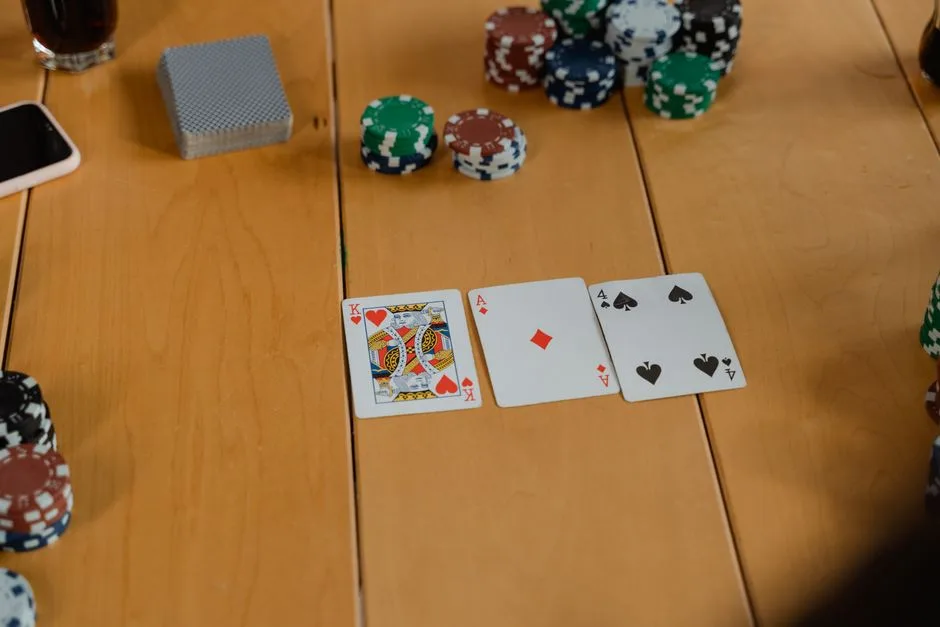
Teenpatti 20-20 is a multiplayer format built around the standard three-card Teen Patti hand rankings, but restructured so a large number of players can participate in the same round simultaneously. Rather than each player receiving and playing their own three-card hand, a small, fixed set of hands — often labeled as separate positions — is dealt at the table, and every player places a bet on which position they believe will win, similar in structure to how Andar Bahar or Dragon Tiger let a full room bet on a shared outcome rather than each player holding individual cards.
This structural shift is what the "20-20" branding is really pointing at: instead of a table capped at six or seven players taking turns betting, folding, and raising, a Teenpatti 20-20 room can hold a much larger number of simultaneous bettors, all watching the same few hands resolve at once. If you haven't played standard Teen Patti before, it's worth starting with the core rules and hand rankings in the UU7GAME Teen Patti Guide, since Teenpatti 20-20 uses the identical hand-ranking system — just applied to a shared-outcome betting format instead of personal hands.
Why the Shared-Outcome Format Exists
Games built around personal hands, like classic Teen Patti or Rummy, are naturally capped in table size — there's only so much betting back-and-forth a room can support before rounds slow to a crawl. Shared-outcome formats solve that ceiling by decoupling "how many people can bet" from "how many hands need to be dealt." A handful of positions get dealt once, and any number of players can place a bet on the outcome without needing to wait through turns or raises from anyone else. This is the same underlying logic that makes Andar Bahar and Dragon Tiger scale to large simultaneous player counts, and Teenpatti 20-20 applies that same structure while keeping Teen Patti's specific hand-ranking system as the deciding factor.
How Teenpatti 20-20 Differs From Classic Teen Patti
No Blind or Seen decisions. Since you're not holding your own cards, the Blind versus Seen mechanic that defines classic Teen Patti strategy doesn't apply here — your only decision is which position to bet on.
No folding or bluffing. Because you're betting on an outcome rather than playing a hand, there's no opportunity to bluff opponents or fold out of a bad position mid-round.
Much higher table capacity. A classic Teen Patti table is typically limited to a handful of players; a Teenpatti 20-20 room can accommodate significantly more simultaneous bettors since everyone is watching the same shared hands.
Faster round cycles. Without betting rounds, raises, or calls to work through, a Teenpatti 20-20 round resolves in a fraction of the time a full personal-hand round takes.
How to Play Teenpatti 20-20: Step by Step
Join a Teenpatti 20-20 room from the lobby, alongside potentially many other players betting on the same round.
A small set of hands (commonly labeled as separate positions) is dealt using standard Teen Patti rules.
During the betting window, place your bet on which position you believe holds the strongest hand.
Once betting closes, all dealt hands are revealed and compared using standard Teen Patti hand rankings (Trail, Pure Sequence, Sequence, Color, Pair, High Card).
Players who bet on the winning position are paid out according to the table's odds, and a new round begins immediately.
Hand Rankings Still Apply
Even though you're not holding your own cards in Teenpatti 20-20, the underlying hand-ranking system that decides each round is identical to standard Teen Patti: Trail (three of a kind) ranks highest, followed by Pure Sequence, Sequence, Color, Pair, and finally High Card. Understanding this order still matters, since it determines which dealt position wins each round — you're just applying that knowledge to pick a winning bet rather than to play your own hand.
Strategy Tips for Teenpatti 20-20
Know the hand rankings cold, since your entire edge in this format comes from correctly assessing which dealt position is statistically more likely to end up strongest — there's no betting psychology to fall back on.
Treat each round as fully independent. Because hands are freshly dealt each round, a position that's won several rounds in a row carries no extra likelihood of winning again.
Set a fixed bet size per round rather than adjusting based on a winning or losing streak, since chasing losses in a fast-cycling format can add up quickly.
Use the faster round cycle deliberately. Since rounds resolve quickly, decide on a fixed number of rounds or a time budget before you start rather than playing an open-ended session.
Common Mistakes New Players Make
Expecting Blind/Seen mechanics or bluffing opportunities carried over from classic Teen Patti — they don't apply in this shared-outcome format.
Betting on a position purely because it won recently, without accounting for the fact that each round is independently dealt.
Losing track of total rounds played given how quickly Teenpatti 20-20 rounds resolve compared to personal-hand Teen Patti.
Teenpatti 20-20 vs. Other Teen Patti Formats
If you enjoy the betting psychology, Blind/Seen decisions, and bluffing that define classic Teen Patti, Teenpatti 20-20 will feel like a different game wearing familiar hand rankings — it strips out personal-hand decisions entirely in favor of a faster, higher-capacity betting format. Players who prefer Andar Bahar or Dragon Tiger's shared-outcome structure but want the added texture of Teen Patti's hand rankings are likely to find Teenpatti 20-20 a natural fit, since it borrows the pacing of those games while keeping Teen Patti's ranking system as the deciding factor.
Playing Teenpatti 20-20 for Real Money
Teenpatti 20-20 tables are typically organized by stake tier, the same as other real-money games in the lobby. Because the format resolves quickly and doesn't involve personal hand decisions, it's a reasonable game to start at low stakes while you get a feel for the hand rankings in this shared-outcome context. Deposits and withdrawals generally follow a standard flow across most platforms: log in, open the wallet or banking section, choose a payment method such as UPI, PhonePe, Paytm, or a bank transfer partner, and confirm your transaction. Withdrawals are commonly processed within about 24 hours, depending on the payment method used.
Is Teenpatti 20-20 Fair?
Teenpatti 20-20 tables run on a certified random number generator (RNG) to shuffle and deal each round's hands, meaning the cards dealt to every position are generated independently and can't be predicted or manipulated in advance by any player. Reputable platforms hold RNG certification from independent testing organizations such as Gaming Laboratories International, which audit RNG systems across the online gaming industry to confirm fair, unpredictable outcomes.
Playing Teenpatti 20-20 on Mobile
Teenpatti 20-20's single-decision format — pick a position, place a bet, watch the result — translates cleanly to mobile, since there's no multi-step betting sequence to manage under a timer the way there is in personal-hand Teen Patti. The main thing to watch is pacing: because rounds cycle quickly, it's easy to play through far more rounds in a short mobile session than you'd expect.
Tracking Your Sessions
Because Teenpatti 20-20 rounds move so quickly, it helps to check your balance against your starting amount every few rounds rather than only at the end of a session. A useful habit is deciding on a fixed number of rounds — say, 20 — before you start, and treating that as a natural checkpoint to reassess whether to continue rather than playing in an open-ended stretch until you happen to notice the time.
Play Responsibly
Teenpatti 20-20's fast round cycle is its main appeal, but that same speed makes it easy to lose track of both time and total spend during a session. Set a budget and time limit before you start, and treat Teenpatti 20-20 — like any real-money game — as entertainment with genuine financial risk rather than a reliable way to grow a bankroll.
Final Thoughts
Teenpatti 20-20 takes a hand-ranking system most real-money card players already know and repackages it into a faster, higher-capacity betting format with no personal-hand decisions to manage. Know your hand rankings, treat every round as independent, and use the format's speed as a reason to set firm session limits rather than an invitation to play more rounds than you planned. If you eventually want the fuller betting psychology of personal-hand play, classic Teen Patti remains the format for that — Teenpatti 20-20 is built for pace instead.
Teenpatti 20-20 vs. Classic Teen Patti
| Feature | Classic Teen Patti | Teenpatti 20-20 |
|---|---|---|
| Personal hand | Yes | No — bet on a dealt position |
| Blind/Seen decision | Yes | No |
| Bluffing | Yes | No |
| Table capacity | Small (few players) | Much larger |
| Round speed | Slower (betting rounds) | Fast (single bet, quick reveal) |
Ready to Try Teenpatti 20-20?
Pick a position, place your bet, and see the hands resolve in seconds.
Play Teenpatti 20-20Frequently Asked Questions

Written by
Rohan KapoorReviews & Trust Editor
Rohan covers platform reviews, bonus terms, and payments and security topics for UU7 and checks every platform claim against its own published terms before it goes to print.
Sources
Comments
Related Reading
 Game Guides
Teen Patti Rules and Strategy for Beginners
Learn teen patti rules from hand rankings to blind, seen, chaal, and side show betting moves, plus beginner strategy tips for smarter, more disciplined play.
 Game Guides
Tongits Go Guide: How to Play, Rules, and Strategy
Learn how to play Tongits Go with this complete guide covering rules, special calls, scoring, strategy tips, and how it compares to other card games.
 Game Guides
Pusoy Go Guide: Rules, Hand Rankings, and Strategy
Learn how to play Pusoy Go (13-card Chinese Poker) with this complete guide covering hand rankings, scoring, special hands, and strategy tips.
 Game Guides
Classic Teen Patti Rules Explained: The Original Format
A full deep dive on classic Teen Patti: the deal, blind vs seen betting, side show rules, and the complete hand ranking order with worked examples.