
Pusoy Go Guide: Rules, Hand Rankings, and Strategy
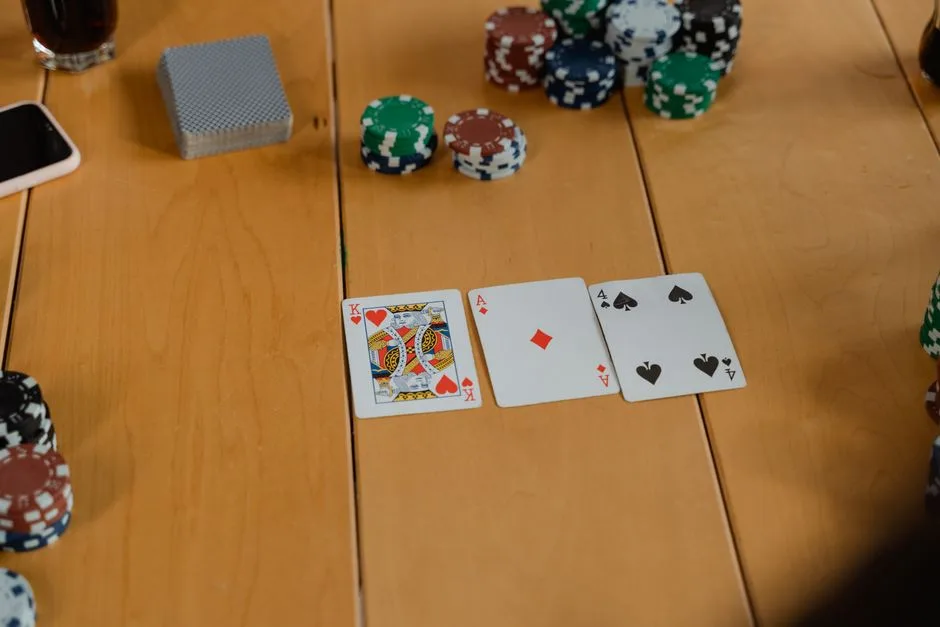
Pusoy Go is a 13-card Chinese Poker game where each player arranges their cards into a 5-card back hand, a 5-card middle hand, and a 3-card front hand \u2014 with the back outranking the middle, and the middle outranking the front. Hands are compared against every opponent at the table, with payouts based on how many of your three hands win.
Pusoy Go takes one of the most cerebral card games around — 13-card Chinese Poker — and brings it to real-money gaming apps in a fast, multiplayer format. Unlike most poker variants, there's no betting round to bluff through; the entire game is decided by how well you arrange the cards you're dealt. This guide covers how Pusoy Go works, the three-hand structure that makes it unique, scoring, special hands, and the strategic thinking that separates strong Pusoy players from players who just place cards in whatever order feels right.
What Is Pusoy Go?
Pusoy — also known as Chinese Poker, Pusoy Dos, or 13-card poker depending on the region — is a game where each player is dealt a full 13 cards and must arrange them into three separate poker hands: a 5-card "back" hand, a 5-card "middle" hand, and a 3-card "front" hand. Each hand is ranked using standard poker hand rankings, with one critical rule: the back hand must outrank the middle hand, and the middle hand must outrank the front hand. Get that ordering wrong and your entire arrangement is disqualified for the round.
"Pusoy Go" is the real-money digital adaptation of this traditional Filipino card game, translating the arrangement-and-compare format into an online multiplayer room where hands are compared against every other player at the table simultaneously, rather than in a single head-to-head match.
Where Pusoy Comes From
Chinese Poker has roots that trace back through several regional variants across East and Southeast Asia, with the Filipino version — commonly called Pusoy — becoming one of the most widely recognized adaptations. Unlike Western poker, which centers on betting rounds and reading opponents' behavior over multiple decision points, Pusoy strips the game down to a single, one-time decision: how you split your 13 cards. That structural difference is part of what made it a natural fit for real-money mobile apps — rounds resolve quickly since there's no back-and-forth betting to manage, and each player's decision happens independently and simultaneously rather than in sequence.
Pusoy Go Terminology to Know
Back hand — the strongest of your three hands, made from 5 cards and ranked using standard poker hand rankings (pair, flush, full house, and so on).
Middle hand — a second 5-card hand that must rank lower than your back hand but higher than your front hand.
Front hand — a 3-card hand, the weakest of the three, ranked only by high card, pair, or three of a kind (no flushes or straights possible with just three cards).
Fouling (or "dead hand") — arranging your three hands out of the required strength order (back ≥ middle ≥ front), which disqualifies your entire hand for the round.
Scooping — winning all three individual hand comparisons against a single opponent, which typically pays a bonus on top of the standard per-hand payout.
Special hand — a rare, high-value 13-card combination (such as three flushes or a full straight run) that pays out automatically without needing to compare against opponents.
How to Play Pusoy Go: Step by Step
Each player at the table is dealt 13 cards from a standard 52-card deck.
Arrange your 13 cards into three hands: a 5-card back hand, a 5-card middle hand, and a 3-card front hand.
Confirm that your back hand outranks your middle hand, and your middle hand outranks your front hand. If this order is violated, your hand is disqualified for the round.
Once all players have set their hands, each of your three hands is compared individually against the corresponding hand of every other player at the table.
You're paid or charged based on how many of your three hands beat each opponent's corresponding hand, with a scooping bonus if you win all three against a single player.
Hand Rankings in Pusoy Go
The back and middle hands use standard 5-card poker hand rankings, from strongest to weakest: straight flush, four of a kind, full house, flush, straight, three of a kind, two pair, pair, and high card. The front hand, since it only holds 3 cards, is limited to three of a kind, a pair, or high card — there's no way to form a flush or straight with just three cards, which is why the front hand caps out lower in overall strength than the other two.
Special Hands in Pusoy Go
Certain rare 13-card combinations pay out automatically, without needing to go through the hand-by-hand comparison process. These typically include hands like three flushes across all three hand positions, a full 13-card straight run, or all cards of one color. Because these combinations are extremely unlikely to be dealt, they carry the highest payout multipliers in the game — but they're not something to plan around, since chasing a special hand at the expense of a solid, valid arrangement is a losing strategy over the long run.
Strategy Tips for Pusoy Go
Build your back hand first. Since it needs to be your strongest, identify your best possible 5-card combination before deciding how to split the rest.
Don't neglect your front hand. It's easy to focus entirely on the back and middle hands and end up with a weak, easily-beaten front hand — but every hand you lose counts against your round total.
Balance risk across all three hands rather than stacking all your strength into one. A back hand that's overwhelmingly strong doesn't help if it leaves your middle and front hands too weak to win their own comparisons.
Double-check your hand order before confirming. A fouled hand from an accidental ordering mistake costs you the entire round regardless of how strong your individual hands were.
Think in terms of total expected value across all opponents, not just one. Since your hands are compared against every player at the table, an arrangement that beats most opponents' likely hands is usually better than one built to counter a single specific opponent.
Common Mistakes New Players Make
Fouling a hand by misordering back, middle, and front — the single most costly and avoidable mistake in Pusoy Go.
Overloading the back hand at the expense of the front hand, leaving an easy win on the table for opponents.
Chasing a special hand instead of setting the best valid arrangement available. Special hands are a bonus when they happen, not something to engineer.
Ignoring how many players are at the table. Since your hands are compared against everyone simultaneously, a marginal arrangement that might survive against two opponents can lose more comparisons at a fuller table.
Pusoy Go vs. Other Card Games
Pusoy Go is unusual among real-money card games because there's no betting round and no bluffing — the entire skill lies in how you arrange a fixed hand of cards, not in reading opponents' behavior. That makes it a fundamentally different experience from Teen Patti, where betting psychology drives most of the decision-making, or from Rummy, where sequential drawing and discarding shapes the hand over time. If you enjoy puzzle-like optimization more than reading people or reacting turn by turn, Pusoy Go's single-decision structure is a good fit.
Playing Pusoy Go for Real Money
Pusoy Go tables on real-money platforms are typically organized by stake tier, the same as other card games in the lobby. Because each round is decided entirely by hand-setting rather than ongoing betting decisions, it's a good game to practice at low stakes first — fouled hands and weak front-hand arrangements matter far less when the stakes are small. Deposits and withdrawals generally follow the same flow across most platforms: log in, open the wallet or banking section, select a payment method such as UPI, PhonePe, Paytm, or a bank partner, and confirm. Withdrawals are commonly processed within about 24 hours, depending on the payment method used.
Is Pusoy Go Fair?
Digital Pusoy Go tables run on a random number generator (RNG) to deal cards, meaning each player's 13-card hand is generated independently and can't be predicted or manipulated in advance. Reputable platforms hold RNG certification from independent testing organizations such as Gaming Laboratories International, and pair that with account verification and encrypted transactions — both worth confirming on any platform before playing for real money.
Playing Pusoy Go on Mobile
Pusoy Go works well on mobile since the entire decision happens up front — you're arranging 13 cards once per round rather than reacting to a live sequence of opponent moves. Most apps let you drag and drop cards into the back, middle, and front slots, and will flag an invalid (fouled) arrangement before you confirm, which is a useful safety net worth relying on rather than double-checking hand rankings manually every round.
A Simple Framework for Setting Your Hand
New players often freeze when faced with 13 cards and three slots to fill. A simple approach: first, scan for your strongest possible 5-card combination and set it aside as a candidate back hand. Second, look at what's left and identify the next-best 5-card combination for your middle hand — checking that it's genuinely weaker than your back hand. Third, whatever three cards remain automatically become your front hand; if it's very weak, it's sometimes worth reshuffling your back and middle hand choices slightly to leave a stronger pair or high card for the front, provided the required strength order still holds.
Play Responsibly
Because Pusoy Go rounds resolve in a single hand-setting decision, sessions can move quickly from round to round. Set a budget and a time limit before you start, and treat Pusoy Go — like any real-money card game — as entertainment with genuine financial risk rather than a guaranteed way to build a bankroll.
Final Thoughts
Pusoy Go rewards players who think in terms of overall hand value across all three positions rather than maximizing just one. Build your back hand first, don't neglect your front hand, and always double-check your ordering before confirming — a fouled hand throws away whatever strength you actually had. Once the three-hand structure becomes second nature, Pusoy Go offers a different kind of card-game challenge than betting-driven games: a pure test of arrangement and hand-reading math rather than nerve.
Pusoy Go Three-Hand Structure
| Hand | Cards | Ranking System |
|---|---|---|
| Back | 5 | Standard poker rankings (strongest) |
| Middle | 5 | Standard poker rankings (must be ≤ back) |
| Front | 3 | High card, pair, or three of a kind only (weakest) |
Ready to Try Pusoy Go?
Set your back, middle, and front hands and see how they stack up.
Play Pusoy GoFrequently Asked Questions

Written by
Rohan KapoorReviews & Trust Editor
Rohan covers platform reviews, bonus terms, and payments and security topics for UU7 and checks every platform claim against its own published terms before it goes to print.
Sources
Comments
Related Reading
 Game Guides
Tongits Go Guide: How to Play, Rules, and Strategy
Learn how to play Tongits Go with this complete guide covering rules, special calls, scoring, strategy tips, and how it compares to other card games.
 Game Guides
Teenpatti 20-20 Guide: Rules, Format, and Strategy
Learn how Teenpatti 20-20 works with this complete guide covering the shared-outcome betting format, hand rankings, strategy tips, and how it compares.
 Game Guides
Cash Tournament Rummy: How It Works and How to Play Smart
How cash tournament rummy works: formats, entry fees, prize pools, common mistakes, and the strategy differences from standalone cash games.
 Game Guides
Teen Patti Rules and Strategy for Beginners
Learn teen patti rules from hand rankings to blind, seen, chaal, and side show betting moves, plus beginner strategy tips for smarter, more disciplined play.