
Pool Rummy Rules: 101 and 201 Pool Formats Explained

In Pool Rummy, players are eliminated when their cumulative score reaches 101 points (101 Pool) or 201 points (201 Pool). Each round's penalty is the sum of unmatched cards in your hand.
Pool rummy rules are built around a single core idea: instead of settling a result after each hand, players carry their scores forward across multiple rounds and are eliminated when their cumulative total crosses a fixed threshold. The last player standing wins the pool.
What Is Pool Rummy?
Pool Rummy is a multi-round variant of Indian Rummy played with one or two standard 52-card decks plus printed jokers. Unlike Points Rummy, where each hand is a standalone game, Pool Rummy runs across as many rounds as needed until all but one player are eliminated. It is the closest rummy format to a tournament structure and rewards consistent play over multiple hands.
101 Pool vs 201 Pool: The Only Difference
Pool Rummy comes in two formats. The elimination threshold is the only structural difference:
101 Pool: A player is eliminated when their cumulative score reaches or exceeds 101 points. Games are shorter and more aggressive.
201 Pool: A player is eliminated when their cumulative score reaches or exceeds 201 points. Games run longer and reward sustained strategic play.
Card values, meld rules, declaration requirements, and turn structure are identical in both formats.
How Each Round Works
Each round follows standard Indian Rummy rules. Every player receives 13 cards and turns proceed in sequence:
Draw one card from the closed deck or the open discard pile.
Arrange your 13 cards into sets (three or four cards of the same rank, different suits) and sequences (three or more consecutive cards of the same suit).
Discard one card face-up to end your turn.
Once your hand is fully arranged and includes at least one pure sequence, discard your final card to the finish slot to declare.
Card Point Values in Pool Rummy
Ace, King, Queen, Jack: 10 points each
Number cards 2 through 10: face value (2 = 2 pts, 7 = 7 pts)
Printed joker and wild card joker: 0 points each
When a round ends, every player who has not declared adds up the point value of their unmatched cards and adds that total to their cumulative score.
Elimination and Drop Penalties
A player is eliminated when their cumulative score reaches or exceeds the pool threshold. Drop penalties are counted like any other round result:
First drop (before drawing a card): 20 points
Middle drop (after drawing at least one card): 40 points
Invalid declaration: 80 points (full count penalty)
Strategy Tips for Pool Rummy
Build your pure sequence first in every round. A declaration without one is invalid no matter how strong the rest of your hand.
Take a first drop when your opening hand is weak. Twenty points is far less damaging than playing out a bad hand and scoring 50 or 60.
Track cumulative scores at the table. As opponents approach the elimination threshold they often play more aggressively — use this to your advantage.
For the mandatory meld requirement that applies to every rummy format, see our pure sequence rummy rules guide. To compare how scoring works across formats, see Deals Rummy rules.
Indian Rummy's history and regional variants are covered on the Indian Rummy Wikipedia page.
Ready to Play Pool Rummy?
Test your Pool Rummy strategy across 101 and 201 formats on UU7Stars.
Play Pool RummyFrequently Asked Questions

Written by
Arjun MehtaGame Strategy Writer
Arjun writes UU7's rummy, teen patti, slots, aviator, and live casino strategy content, with a focus on getting the rules exactly right and keeping advice practical rather than hypey.
Sources
Comments
Related Reading
 Game Guides
Points Rummy Rules Explained: How Scoring Works and How to Win
Points rummy rules explained: each card has a face value and the loser pays the winner the total points of their unmelded cards. Full scoring guide India 2026.
 Game Guides
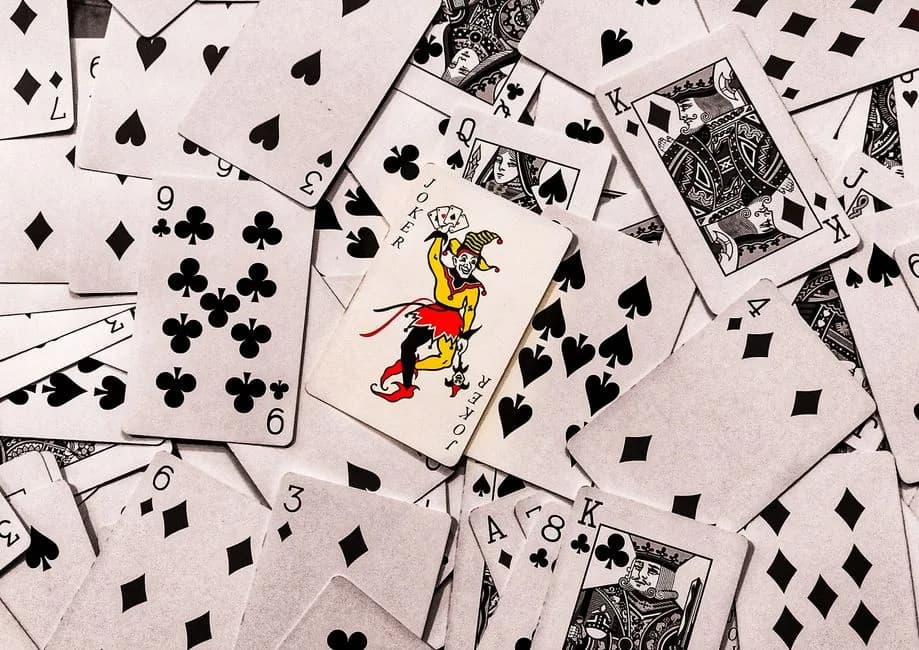
Rummy Joker Rules: How Printed and Wild Card Jokers Work
Learn rummy joker rules including how printed jokers and wild card jokers work in Indian rummy, what jokers cannot replace, and how they are scored.
 Game Guides
What Is a Pure Sequence in Rummy? Rules and Examples 2026
Pure sequence rummy rules: a run of 3 or more consecutive same-suit cards with no joker used. Mandatory for any valid declaration. Full guide with examples.
 Game Guides
Deals Rummy Rules: How to Play and Win Each Deal
Deals rummy rules how to play: chips are distributed equally before the game, and losers pay chips to the winner of each deal. Full guide with strategy 2026.