
Video Slots vs Classic Slots: What's Actually Different

Video slots are five-reel-or-more digital games with elaborate bonus rounds, wilds, scatters, and multipliers, while classic slots are simpler three-reel games with basic fruit-style symbols, few paylines, and little or no bonus features.
Walk into any online casino lobby and you'll see two very different kinds of slot games sitting side by side. One looks like a callback to an old mechanical machine — three reels, fruit symbols, a simple layout. The other looks like a mini animated production — five or more reels, elaborate bonus rounds, and a theme borrowed from a movie, mythology, or pop culture. These are classic slots and video slots, and the difference between them goes well beyond looks. This guide breaks down what actually separates the two categories and how to figure out which one fits how you like to play.
What "Classic Slots" Actually Means
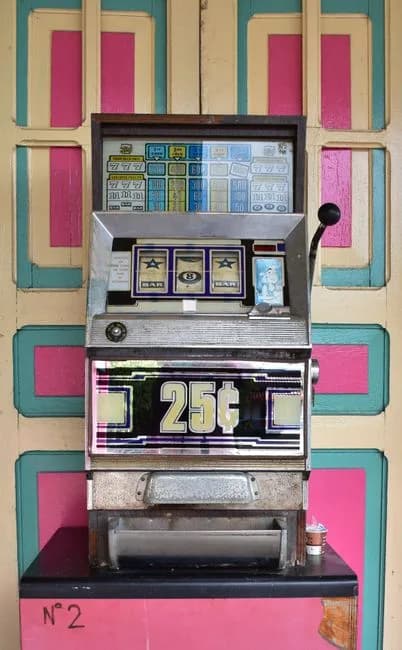
Classic slots are built to echo the original mechanical slot machines that started the entire category. For a broader history of how those early machines worked and evolved, see the Wikipedia entry on the slot machine, which traces the format back to its coin-operated, physical-reel origins.
In practical terms, classic slots typically share these traits:
Three reels rather than five or more
Simple symbol sets — cherries, lemons, bars, bells, and lucky sevens dominate
Few or no bonus features — many classic slots run on base gameplay alone, without free spin rounds or bonus mini-games
A small number of paylines, often just one to five
A nostalgic, mechanical-slot-machine feel, even though the game is running entirely in software
The appeal of classic slots is straightforward: fast rounds, simple rules, and a format that doesn't require reading through a five-page bonus feature explainer before you understand what you're looking at.
What "Video Slots" Actually Means
Video slots are the modern, feature-heavy end of the spectrum. They emerged once slot machines moved from physical reels to digital displays, which freed designers from the mechanical limit of three spinning reels and opened the door to far more complex game design.
Typical video slot traits include:
Five reels or more (and in some cases, mechanics that do away with fixed reel counts entirely)
Digital-first design — animated symbols, layered soundtracks, and cinematic themes
Elaborate bonus rounds — free spin rounds, pick-and-click bonus games, cascading wins, and more
Wilds, scatters, and multipliers used extensively to build more complex win conditions
Themed graphics and storytelling — video slots are frequently built around a specific theme, from ancient civilizations to branded IP
Higher structural complexity, generally paired with higher volatility and denser paytables
Because video slots rely so heavily on modern mechanics, it's worth understanding the individual building blocks separately. Our guide on wild vs scatter symbols covers how those two symbol types function and why they matter so much to video slot design. If you're seeing bonus rounds that multiply your winnings or hand out extra spins, our explainer on free spins and multipliers covers exactly how those mechanics are triggered and calculated. And if you've come across a slot advertising "thousands of ways to win" instead of a fixed payline count, our Megaways slots explained article covers that specific modern mechanic in detail — it's almost exclusively a video slot feature, never something you'll find on a classic three-reel game.
For a wider view of how slot categories, jackpots, and RTP all fit together, our online slots guide to types, jackpots, and RTP is a good broader reference alongside this comparison.
The Practical Experience Differences
The feature list matters, but what actually changes your experience at the table comes down to three things: pacing, complexity, and how long a session tends to run.
Pacing
Classic slots move fast. With three reels, a small symbol set, and no bonus round to sit through, each spin resolves almost instantly and you're straight into the next one. Video slots are built with more deliberate pacing — bonus round animations, cascading win sequences, and multiplier reveals all add time to a round, especially when a big feature triggers.
Complexity
A classic slot's paytable fits on one screen and rarely needs explaining twice. A video slot's paytable can run several screens deep, covering base symbols, wild behavior, scatter triggers, bonus round rules, and multiplier scaling. If you want a game you can glance at and immediately understand, classic slots have the edge. If you enjoy learning a game's mechanics layer by layer, video slots offer a lot more to dig into.
Session length and rhythm
Because classic slots resolve quickly and typically run simpler paylines, sessions tend to feel like a steady, repetitive rhythm — lots of quick spins, smaller and more frequent outcomes. Video slots, especially higher-volatility ones, often produce a choppier rhythm: stretches of quieter base-game spins interrupted by a bonus round that concentrates a lot of the action (and potential payout) into a short burst.
RTP and Volatility Tendencies
It's worth noting that video slots, on average, tend to run higher volatility than classic slots — though this isn't a strict rule, and plenty of exceptions exist in both directions. The extra bonus features and multiplier layers in video slots often mean payout math is more back-loaded into rarer, bigger events, while classic slots' simpler structure tends to spread payouts more evenly across spins. If RTP and volatility numbers matter to how you choose a game, always check the in-game paytable or info screen for the specific title rather than assuming based on category alone — individual games vary a fair amount within each type.
Which One Actually Fits You
There's no universally "better" choice here — it comes down to what kind of session you're looking for.
Classic slots tend to suit players who want:
Fast, uncomplicated rounds
A simple paytable they can understand in seconds
A steadier, more predictable rhythm of smaller wins
A nostalgic feel closer to traditional slot machines
Video slots tend to suit players who want:
Bonus rounds and features that add variety to each session
Themed, animated presentation rather than a plain symbol set
The chance at bigger, feature-driven payouts, even if that means longer quiet stretches between them
More mechanical depth to learn and engage with over time
Many players end up splitting time between both categories depending on mood — a few quick classic slot rounds during a short break, and video slots reserved for longer sessions where there's time to enjoy a bonus round properly. There's nothing wrong with treating them as two different kinds of entertainment rather than picking one lane permanently.
How to Tell Which One You're Looking At Before You Play
You don't need to spin a single round to know whether a game is a classic slot or a video slot — the lobby thumbnail and title usually give it away within a few seconds:
Reel layout in the preview art. Classic slots almost always show a simple three-reel grid in their thumbnail. Video slots show five or more columns, sometimes with an irregular grid shape for cluster-pay or Megaways-style titles.
Symbol style. Fruit, bars, bells, and sevens signal a classic slot. Character art, themed icons, or elaborate logos signal a video slot.
Feature callouts in the title or badge. Names or badges mentioning "Free Spins," "Megaways," "Bonus Buy," or a multiplier value are a strong tell that you're looking at a video slot.
The info screen, if you're still unsure. Opening the paytable will immediately show you the reel count, payline structure, and feature list, which settles any doubt in seconds.
This matters because a game's presentation in the lobby can sometimes undersell how complex or how simple it actually is. A quick look at the paytable before committing to a session avoids the mismatch of expecting a fast, simple round and instead landing in a five-minute bonus sequence, or the reverse.
A Quick Word on RTP Transparency
Regardless of which category a slot falls into, the actual RTP and volatility figures always live in the same place: the in-game info or paytable screen, never the lobby tile. This is true whether you're looking at a three-reel classic slot or a feature-dense video slot — the format of the game changes the experience, but not where you go to check the underlying numbers. Video slots in particular tend to bury the RTP figure a screen or two deeper, behind the feature rules and paytable tiers, so it's worth a bit more scrolling than you'd need on a simpler classic slot.
Wrapping Up
The difference between video slots and classic slots isn't just cosmetic. Classic slots strip things down to three reels, simple symbols, and fast, low-complexity rounds. Video slots build up from there with five-plus reels, elaborate bonus features, wilds and scatters and multipliers, and denser paytables that reward players who like digging into mechanics. Neither format is objectively superior — the right pick depends on whether you want speed and simplicity or depth and feature variety in your next session.
Frequently Asked Questions

Written by
Rohan KapoorReviews & Trust Editor
Rohan covers platform reviews, bonus terms, and payments and security topics for UU7 and checks every platform claim against its own published terms before it goes to print.
Related Reading
 Game Guides
Fruit Slots Explained: The Classic Symbols and How They Pay
Fruit slots explained: where the classic cherry, lemon, and bar symbols came from, how their paytables work, and why they run lower volatility than video slots.
 Game Guides
High RTP Slots: How to Find and Use Them
High RTP slots explained: what counts as high, where the real figure is actually shown, and how RTP relates to volatility when choosing a slot to play.
 Game Guides
Online Slots Guide: Types, Jackpots, Free Play, and RTP
A complete guide to online slots: classic and video slots, jackpot slots, free play, RTP, volatility, and the bonus mechanics behind modern slot games.
 Game Guides
Megaways Slots Explained: How Thousands of Ways to Win Work
Megaways slots explained: how reshuffling reels create up to 100,000+ ways to win, why volatility runs high, and what to check before you play.